Old House Plumbing in Deagon
Plumbing in an older Deagon house is its own craft, and old house plumbing Deagon owners call us about covers everything from a weeping joint to a full reno. The housing here runs from pre-1940 weatherboard cottages to brick homes from the 1960s and later, and decades of repairs, swaps and add-ons sit behind every wall.
If we're late, $100 comes off your bill

- Licensed and InsuredEvery job done by a licensed plumber. QBCC No: 15024607
- Fixed Quote FirstFlat-rate pricing, agreed before any work starts
- Lifetime Labour WarrantyBacked by our Fix-It-or-It's-Free guarantee (T&Cs apply)
- $0 Call-Out FeesNo extra charge for nights, weekends or public holidays

We cover the full range of Deagon plumbing work, from a dripping tap to a full renovation, and every job is done by a licensed plumber. Older houses give up their secrets differently, so this page walks through where the pipes sit, what ageing gas and galvanised lines mean, and which rules apply before you open anything up.
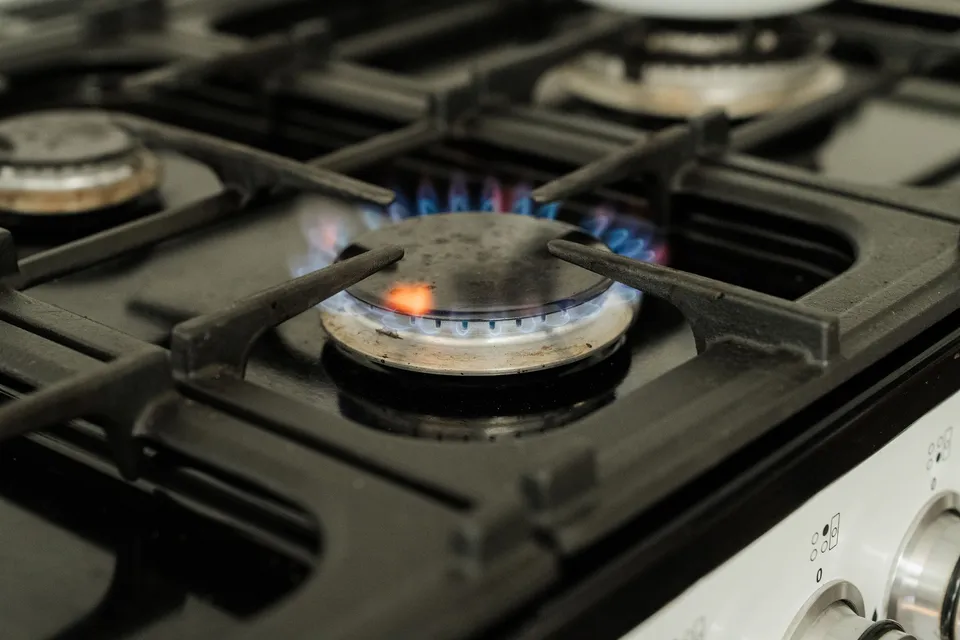
Pipes Under the Floor of a Timber Home
In a stumped house, the water, waste and gas pipework runs through the open space under the floor, where you can see it from below. A slab home is the opposite: much of its pipework sits in or under the concrete, and the rest hides inside the walls. Plenty of trouble shows without opening anything:
- soil gone soft or wet beneath a pipe run
- drips tracking along joints
- rust staining on pipes and fittings
- timber gone dark or damp around the fixings
- a musty odour down below
Weatherboard cottages from the earlier eras make up much of the older stock, and the subfloor check matters most in those homes because access is easy. Later houses spread toward the horse-training track and sportsground on brick and slab footings, which pushes their pipework out of sight.
A meter that keeps turning when every tap is shut points to a hidden leak. Our leak detection page covers the no-use meter test that confirms one before any floor comes up.
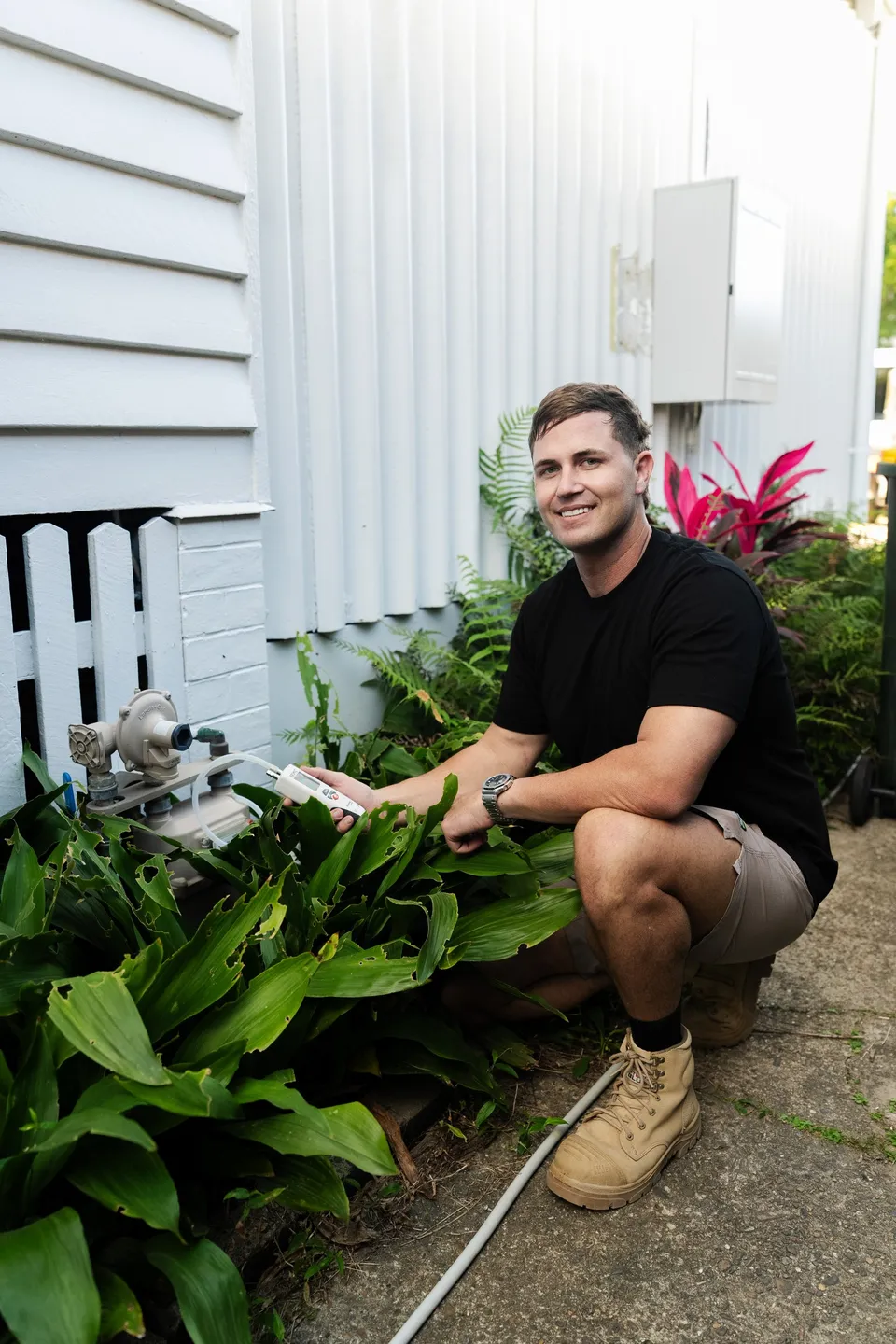
When Old Gas Pipework Needs a Gasfitter
Gas work on an older home belongs to licensed gasfitters alone. Queensland gives them the sole right to install, change, repair, service, test and certify a gas system, its pipework and every connection. The Queensland Government also asks owners to check their gas systems regularly for rust, wear and damage.
Whenever a gas worker sees a safety problem on the job, the owner receives written notice of the defect, except where the fault gets repaired then and there. The paperwork trail for installs and alterations sits on our gas compliance certificates page.
Smell gas? Turn the appliance off, open the doors and windows, and touch no electrical switch. Shut the gas at the meter or bottle if the smell hangs around, then call; dial 000 if it still lingers.
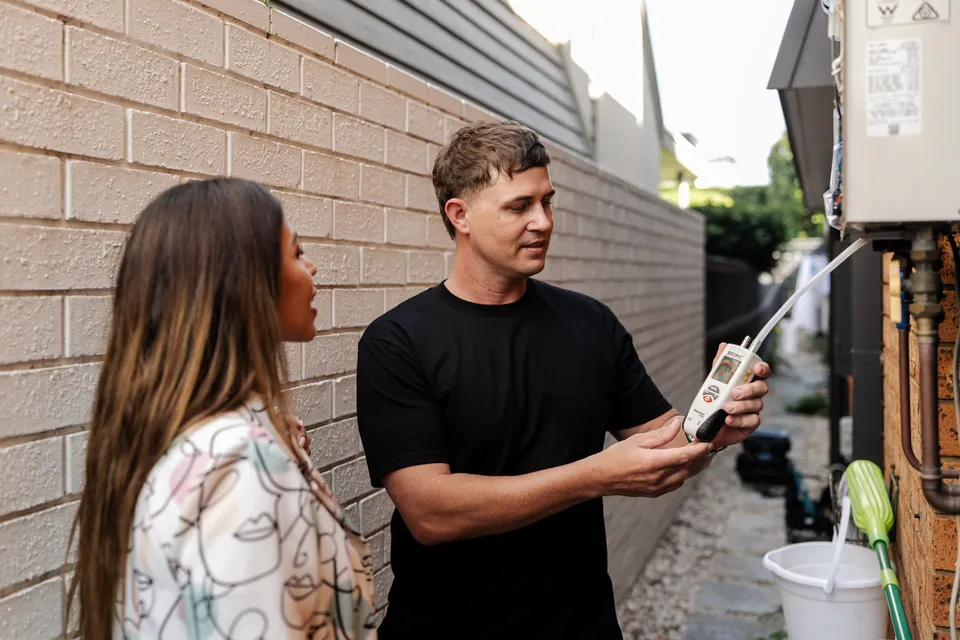
Rusty Water and Weak Flow in an Old House
Galvanised pipe is steel carrying a zinc coat, and once that coat wears thin the steel corrodes on the inside, showing up as discoloured water, weak flow and repeat leaks. Three signs point at an ageing galvanised run:
- brown or rusty water from the taps
- flow that drops across several fixtures at once
- the same stretch of pipe leaking again after each repair
Solder containing lead stayed standard on copper pipe and brass joints across Australia until 1989, so the age of the water service matters in a pre-war or post-war cottage. Ground along Cabbage Tree Creek holds water for long spells, and buried metal in that soil corrodes faster, which counts against any old steel main still in service.
A full replacement is repiping work. The water pipe repairs page covers what that involves, and a fixed quote before any work starts confirms the price for your place.

Before You Open Up the Walls of an Old House
Renovation plumbing in an existing home is mostly notifiable work: your licensed plumber needs no council permit. The QBCC receives a Form 4 within 10 business days, and a copy lands in your hands.
The Regulation counts a building as existing when a water supply and drainage are both connected, which describes nearly every older home. A permit is needed instead when a combined drain serves the property or the supply is dual reticulated, and the local government must approve before the work begins.
Two triggers catch owners by surprise:
Temperature control
Under Queensland law, every new or replacement water heater needs a temperature control device, capping the water at 50°C at the taps. A new hygiene fixture such as a shower calls for one as well, while a tap washer or shower head swap does not.
Asbestos
Most houses built before 1990 contain some asbestos, so renovations on an older home need extra care and can cost more.
A permit issued years ago still travels with the property and binds whoever holds it, owner or tenant alike. The QBCC's notifiable work register is searchable by address, and owners can request a Form 4 copy for their property, even one they believe went missing.
How a Visit to an Older Home Runs
- 1

Call or message us
Ring (07) 3523 7172 or use the form and describe what's going on in Deagon. A few details up front mean the right gear comes on the first trip.
- 2

We check the house on site
We get under the floor or into the affected room, identify what each pipe is made of, note its condition, and talk you through what the old house needs before anything gets opened up.
- 3
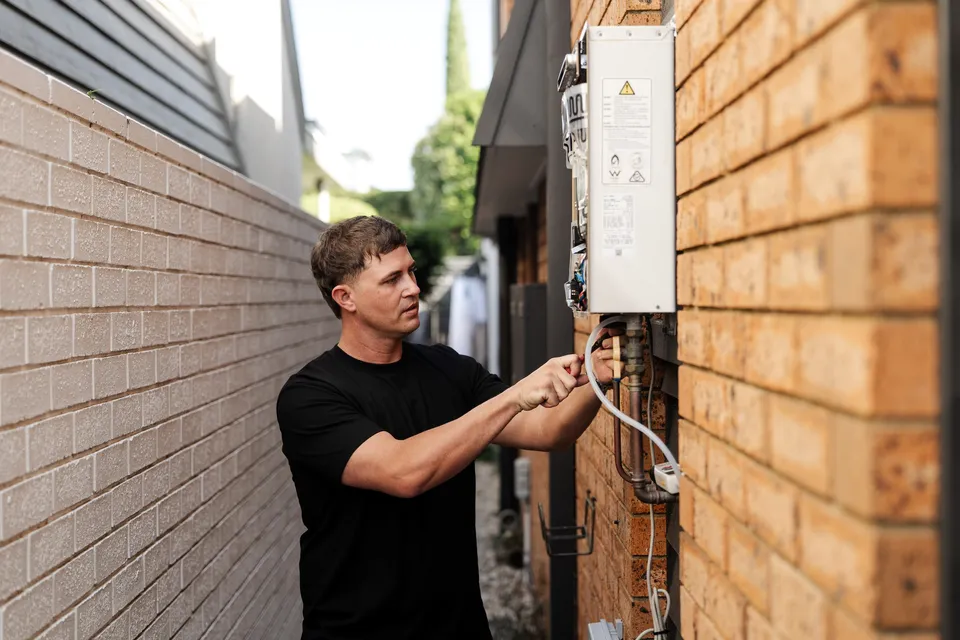
Fixed quote, then the work
We give you a fixed quote before any work starts. It's flat-rate pricing with no hidden fees, and we only start once you approve it.
- 4

Settle up your way
Card and EFTPOS payment on site when the job's finished, or Fix now, pay later if that suits you better.
Plumbing job in Deagon?
$0 call-out fees, available 24/7, and same-day where we can.
Older Home Plumbing Questions
Call (07) 3523 7172What is different about plumbing in an older Deagon home?
The pipework has had decades of repairs and alterations layered onto it. Expect subfloor pipe runs in the weatherboard and fibro homes from before 1940 through the post-war years, ageing gas fittings, and renovation rules that apply once walls come open.
Where do the pipes run in a timber house on stumps?
The supply, waste and gas pipes usually travel through the open space beneath the floor boards, where you can see each run from underneath. Concrete-slab houses hide most of their pipework in the pour or inside the walls, so reaching it means opening something up.
How do I check the plumbing in an old house?
Look at what shows without opening anything: damp patches, wet soil, stains, rust on pipes and fittings, rusty water, weak flow and drips under the floor. A licensed plumber checks the rest, and the leak detection page explains the meter test.
Are there galvanised water pipes in Deagon homes?
No, we can't say from here: a plumber confirms the pipe material on site, because every house differs. Original metal buried in the wet creek-side soil corrodes faster, so any aged steel main found under an older home gets flagged and explained before work starts.
Can I find out what plumbing work was done before?
Yes, the QBCC's register lists notifiable work by address, and you can ask for a copy of any Form 4 for your property, including one you believe never arrived. A permit from earlier work still travels with the premises.

Call Us About Your Older HomeWe'll call you back.
Phone (07) 3523 7172 for a licensed plumber in Deagon. We work under QBCC No: 15024607, with flat-rate pricing, no hidden fees and same-day where we can.
To claim your $0 call-out fee, call (07) 3523 7172 today.